

In a fish market, there’s plenty to catch the eye: fish on ice, shellfish, and the day’s fresh arrivals. Then, a movement draws attention. A lobster moves through its tank. A child comes closer, their parents follow, and the visit takes a new turn.
A lobster tank’s primary purpose is to keep lobsters alive. But it can also enhance the in-store experience. It gives customers a reason to stop, ask questions, and discover what your business has to offer. For the retailer, it’s an opportunity to connect with customers and showcase their expertise.
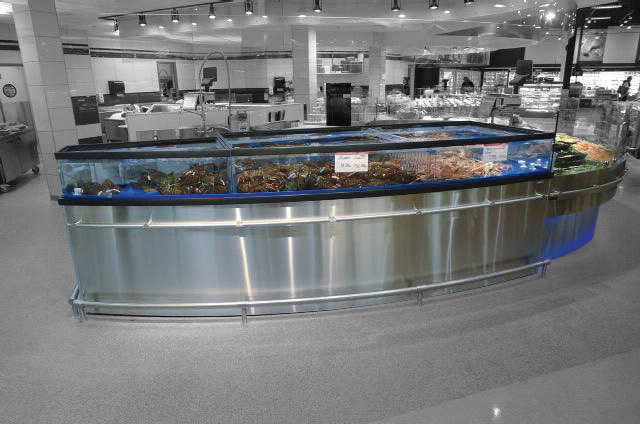
Bring Your Fish Market to Life
An attractive seafood counter catches the eye. A lobster tank adds movement. The lobsters moving around, the circulating water, and the view into the tank bring something different to the shopping experience.
For someone who came in simply to buy a fish fillet, the tank can spark curiosity. They pause for a moment, watch the lobsters, and discover something they may not have noticed before.
The lobster tank becomes a point of interest in the seafood department. Its location matters: it should be visible, accessible, and well integrated into the counter. A tank tucked away in a corner will have fewer opportunities to attract attention.
Give Customers a Reason to Approach the Seafood Counter
It’s a familiar scene for families: a child spots the lobsters and wants a closer look. Their parents follow. For a few moments, their attention turns to the seafood department, even if they hadn’t planned to stop there.
This gives the team an opportunity to welcome customers. A question about a lobster’s claws or size can lead to a conversation about other available products. The interaction begins naturally, with something that already interests the customer.
This stop doesn’t guarantee a sale. It does, however, give the retailer another opportunity to offer advice, highlight a fresh arrival, or suggest a meal idea. The lobster tank catches the eye; a warm welcome and quality service encourage customers to continue the conversation.

Become Known for an Offering Customers Will Remember
A customer may look at the lobsters without buying one that day. Still, they leave knowing that your fish market sells live lobster. When planning a dinner with friends or a family celebration, they may think of you.
That connection is valuable for a local business. You become a place customers consider for a special occasion. They know where to go, what they can find, and who to ask for advice.
To reinforce that impression, your offering should be clear. Display prices, explain how customers can reserve lobsters, and indicate seasonal availability where applicable. What customers remember from their visit should reflect the service you can actually provide.
Make Choosing a Lobster Part of the Fun
For many customers, lobster is part of a special meal, so choosing one deserves a little care. Watching the lobsters, comparing sizes, and selecting the one they’ll prepare at home is part of the fun.
The fishmonger plays an important role in this moment. How many people will be dining? Will lobster be served as the main course? What budget does the customer have in mind? These questions help customers make their choice with confidence.
Cooked lobster is a great option for customers looking for convenience. Live lobster lets them take part in preparing their meal, starting with their selection in the store. Offering both options caters to different shopping preferences.
Keep Family Traditions Alive at Home
For some families, cooking lobster is a tradition. They bring out the big pot, set the table, and gather for a much-anticipated meal. Preparing it is part of the occasion.
By offering live lobster, your fish market helps these customers keep their traditions alive. They can choose their lobsters, decide when to cook them, and prepare the meal their own way.
Your support can continue beyond checkout. A tip sheet on transportation, temporary storage, and preparation helps customers know what to do once they get home. This information should be reliable and appropriate for the product being sold.

At the Restaurant, the Experience Begins Before the Meal
In a restaurant, a lobster tank can set the tone as soon as guests arrive. It showcases a house specialty and can whet their appetite before they even open the menu. For a guest who hasn’t yet decided what to order, seeing the lobsters may inspire them to try the dish.
When service allows, choosing a lobster with the staff’s help adds a personal touch to the meal. The server can explain the available sizes, preparation options, and prices before the guest orders. Guests know what they’re choosing and take part in an experience beyond their usual dining routine.
For the restaurant owner, the lobster tank also provides a natural conversation starter. It gives the team an opportunity to highlight the kitchen’s work and showcase a specialty. Depending on the menu, the conversation might lead to a lobster dish to share or a signature preparation.
Placement should be carefully considered. The tank should be visible without interfering with service, and its noise level and lighting should suit the atmosphere. When well integrated and maintained, it can become a memorable feature guests mention when recommending your restaurant.
Choose a Lobster Tank That Fits Your Business
A lobster tank can become a standout feature in your fish market. It brings the seafood department to life, encourages conversation, and gives live lobster lovers a reason to choose your store. It makes the greatest impact when paired with helpful advice and attentive service.
At Développement Aqua Inc., we can help you choose the right lobster tank for your business. Tell us about your space, your sales volume, and the experience you want to offer your customers. We’ll guide you toward a setup that meets your needs.